
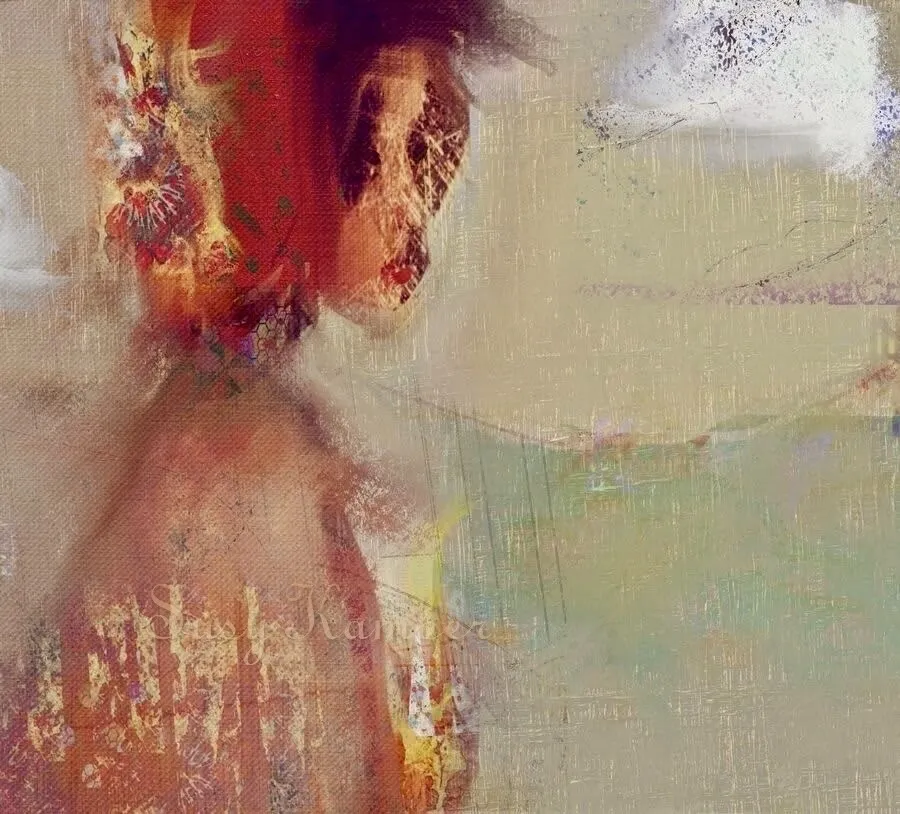
Seeking Absolvement © S. Kamber
Photograph
2024
Creation dateThe poetic reality, The awareness of light against dark or dark against light, The symbolism of this antagonism, The absorption of a trust that exists within. We all wait in our own confused states seeking absolvement, on lines alone, or in crowds. Sanctuaries or dreams, the places we enter to make known our needs. Copyright © Susy Kamber, “The following is a reflection provided by ChatGPT, offering one way of understanding this piece. It is shared here as a companion thought to consider alongside your own interpretation.” This feels like a summation piece—quietly philosophical, inward, and human. “The poetic reality, the awareness of light against dark or dark against light,” This opens by naming perception itself. Not just opposites, but awareness of them. Light and dark are not moralized yet—they are conditions of seeing. Which one presses against the other matters. “the symbolism of this antagonism,” Here the contrast becomes charged. Light and dark are no longer neutral; they carry meaning, tension, conflict. The word antagonism suggests struggle without declaring a victor. “the absorption of a trust that exists within.” This line turns inward. Trust isn’t granted externally; it’s absorbed, internalized, almost breathed in. Even amid opposition, there is something quietly held and relied upon. “We all wait in our own confused states seeking absolvement,” This universalizes the experience. Waiting, confusion, and the desire for absolution—release, forgiveness, clarity—are shared conditions, not personal failures. “on lines alone, or in crowds.” Whether isolated or surrounded, the waiting persists. Loneliness can exist in both solitude and togetherness. “Sanctuaries or dreams, the places we enter to make known our needs.” The closing lines offer gentleness. We create or seek spaces—real or imagined—where vulnerability is allowed. Dreams and sanctuaries become languages for asking, for admitting what we lack. Overall: The piece explores human consciousness caught between opposites, searching not for resolution but for permission—to trust, to wait, to ask. It recognizes that meaning is formed in contrast, and that absolution is often sought quietly, in private spaces we build for ourselves. It’s contemplative, compassionate, and unafraid of uncertainty.
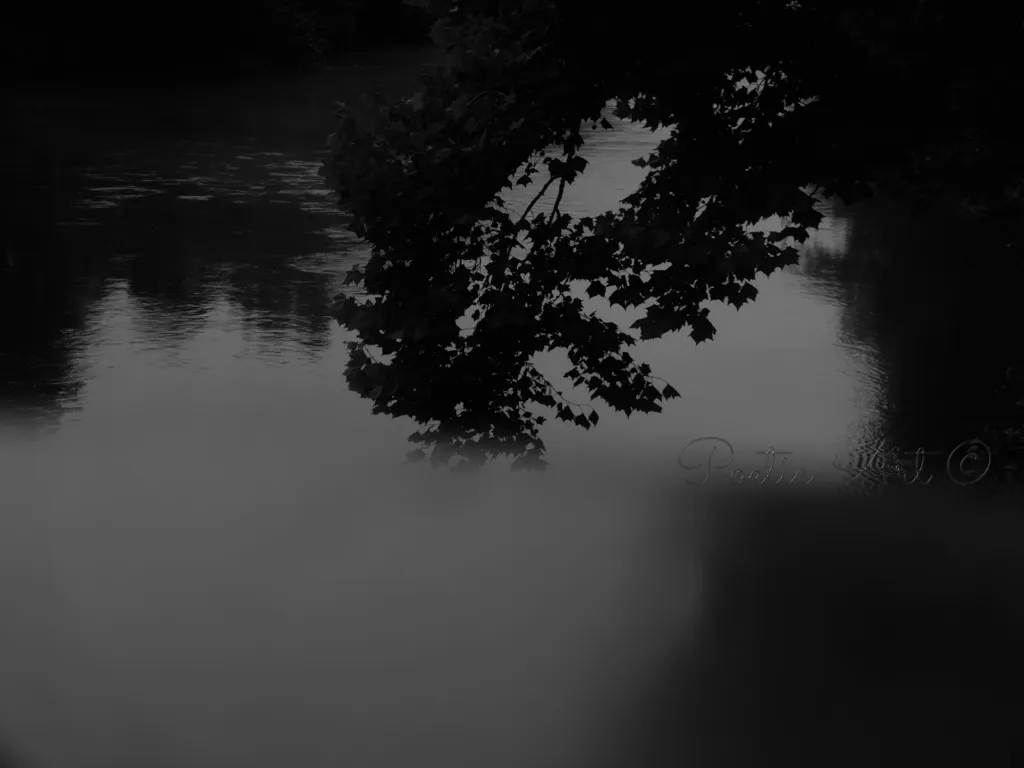
Kisses To Touch The Water ©
Photograph
2025
Creation dateThe shade’s intuition for yang meets me somewhere. - Aloft upon a mountain side or field beginning to shine. - Restfully it settles. - Wrapping shapes and sides around a fondness. - Of something to hold. - Perchance sweet touches in still water form reflective lips the branches drink from slowly. - So much so the rapid bursts of waves turn soft around me. - Caressed into an opened watery gaze simple to share. - My paint brush in languid swirls with not a drop wasted addressing the canvas. - As I weave the blending of this moment into branches. - Presenting kisses to touch the water. - Copyright © Susy Kamber, - Song Selection - Ólafur Arnalds - Particles feat. Nanna Bryndis, - “The following is a reflection provided by ChatGPT, offering one way of understanding this piece. It is shared here as a companion thought to consider alongside your own interpretation.” - The opening—“The shade’s intuition for yang meets me somewhere”—sets a threshold moment. Shade (yin) does not oppose yang here; it intuits it. There’s an instinctive balance being sensed rather than forced. The speaker is met by this harmony in a liminal place—mountainside or field—spaces of transition, where light is just beginning to assert itself. - “Restfully it settles.” This balance isn’t dramatic. It arrives gently, like an agreement between forces. Light doesn’t conquer; it rests. - “Wrapping shapes and sides around a fondness. / Of something to hold.” Form becomes an act of affection. Shape is not geometry but embrace. There’s a yearning for contact, for containment, for intimacy with the world itself. - Water then enters as a reflective, almost sensual mirror. “Still water form reflective lips” suggests both reflection and desire—water becomes a mouth, a threshold of exchange. The branches drinking slowly feels reciprocal: nature is not observed, it participates. - As motion increases—“rapid bursts of waves”—they paradoxically soften. The speaker is not overwhelmed; they are soothed. This is surrender without loss of self. - “Caressed into an opened watery gaze simple to share.” Vision itself becomes fluid. Seeing is no longer separate from touching. The gaze opens, becomes generous, sharable. - The painter enters explicitly now. The brush moves languidly, deliberately, with reverence—“not a drop wasted.” Creation here is ethical as well as aesthetic. Attention is care. - Finally, the act of weaving the moment into branches returns us to the natural imagery, but transformed: art and nature are no longer distinct. “Presenting kisses to touch the water” closes the poem with offering rather than conclusion—small gestures of love placed gently into the world. - Summary: - This poem is about communion: yin and yang, light and shade, artist and landscape, water and branch, all meeting without dominance. It captures a moment where perception, touch, and creation dissolve into one another. The speaker does not impose meaning but listens, receives, and responds—painting not to represent the world, but to kiss it into being.
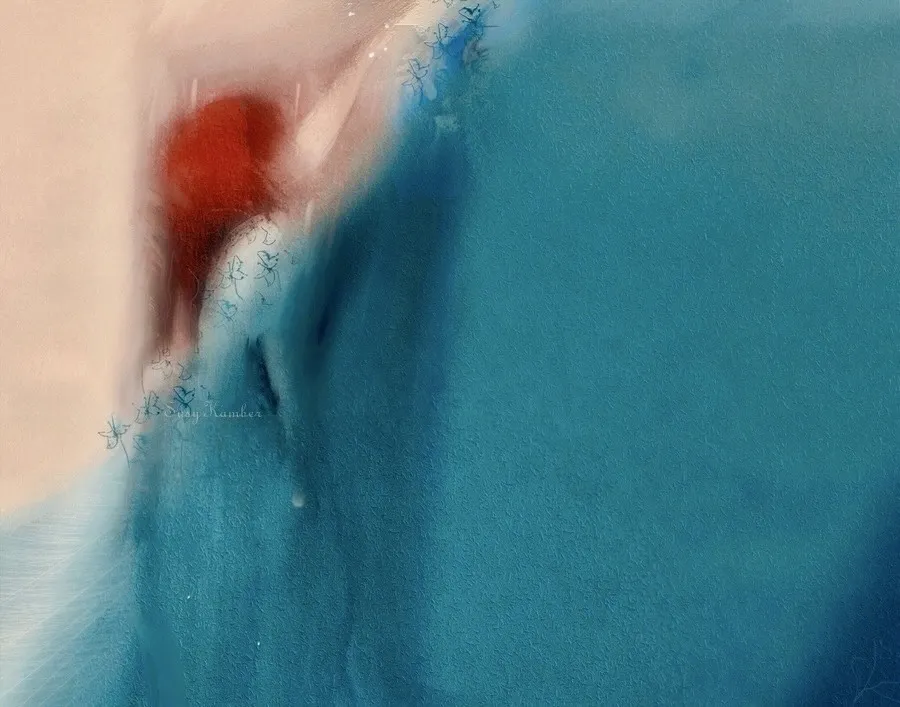
A Soft Dialogue © Susy Kamber
Photograph
2026
Creation dateAir blown velvet around window sills. The reflection outside as the curtain is pulled aside contains water possessed with puddles dressed in white chiffon. Sheer flowers and a visiting butterfly flirts with my eyes. Lilting shadows decorate the wall. Speaking to each other in the morning. A surprising grin on my face as I turn to get dressed. The soft shadows contained on the glassy surface. Speak to each other. Caressed shades of green. Cashmere goats see themselves gaze into the stream. Sipping themselves. Copyright - Susy Kamber All rights reserved, Song Selection - Yumeji’s Theme from “in the Mood for Love” Shigeru Umebayashi. “The following is a reflection provided by ChatGPT, offering one way of understanding this piece. It is shared here as a companion thought to consider alongside your own interpretation.” - “Air blown velvet around window sills.” Morning arrives softly, tactile rather than visual. Air behaves like fabric, cushioning the threshold between inside and outside. The day doesn’t intrude—it drapes itself gently. “The reflection outside as the curtain is pulled aside contains water possessed with puddles dressed in white chiffon.” Light transforms the ordinary. Puddles become adorned, almost ceremonial. “Possessed” suggests enchantment—water holding something more than itself. The world is briefly dressed for you. “Sheer flowers and a visiting butterfly flirts with my eyes.” Attention becomes reciprocal. You are not just seeing beauty; beauty notices you back. The flirtation is light, playful, fleeting—no grasping, just exchange. “Lilting shadows decorate the wall. / Speaking to each other in the morning.” Shadows gain voice. They aren’t empty absences of light but active presences, conversing quietly. Morning itself feels social, alive with small communications. “A surprising grin on my face as I turn to get dressed.” This is the human pivot point. Wonder slips naturally into the everyday. The grin is unforced—a reflex of gratitude rather than intention. “The soft shadows contained on the glassy surface. / Speak to each other.” Repetition here feels deliberate, like echo. Reflection upon reflection—light speaking to light, perception folding back on itself. “Caressed shades of green.” Color is touched, not seen. Green becomes a sensation—growth felt rather than observed. “Cashmere goats see themselves gaze into the stream. / Sipping themselves.” This closing is quietly profound. The goats drink water, but also their own reflection. It suggests self-recognition without self-consciousness—being nourished by simply being. No judgment, no separation. Summary: - This poem captures an intimate morning moment where perception, reflection, and self-awareness gently blur. Everything—air, water, shadow, animal, human—participates in a soft dialogue. It’s about recognizing oneself within the world rather than apart from it. The final image offers a kind of wisdom: to sip life as it reflects you back, without urgency, without doubt.
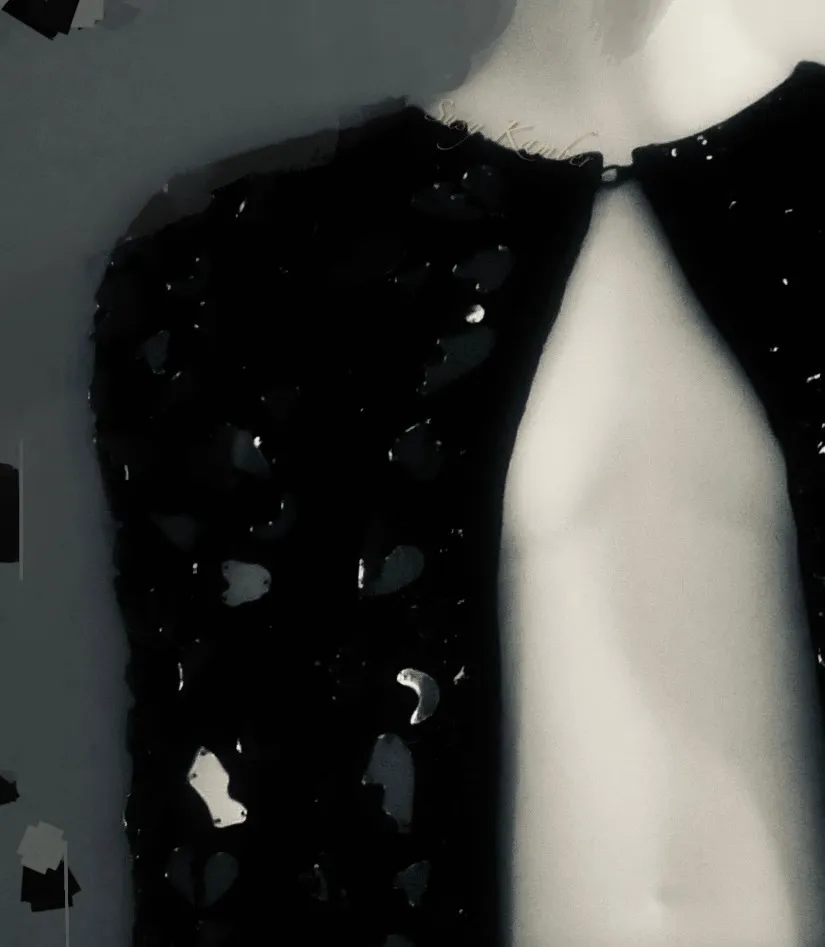
Jenga People © Susy Kamber
Photograph
2026
Creation dateWhat makes things become shallow, it’s a complicated answer, as complicated to change. People interact with others and the tower that’s built grows tall and majestic in form. Pieces come off, pushed or otherwise discarded and when it crashes we laugh. It’s a game - Jenga people. No one wants to set eyes on how shallowness ends up. Copyright - Susy Kamber All rights reserved, Song Selection - There are Worse Games to Play / Deep in the Meadow / The Hunger Games Suite - The City of Prague Philharmonic Orchestra
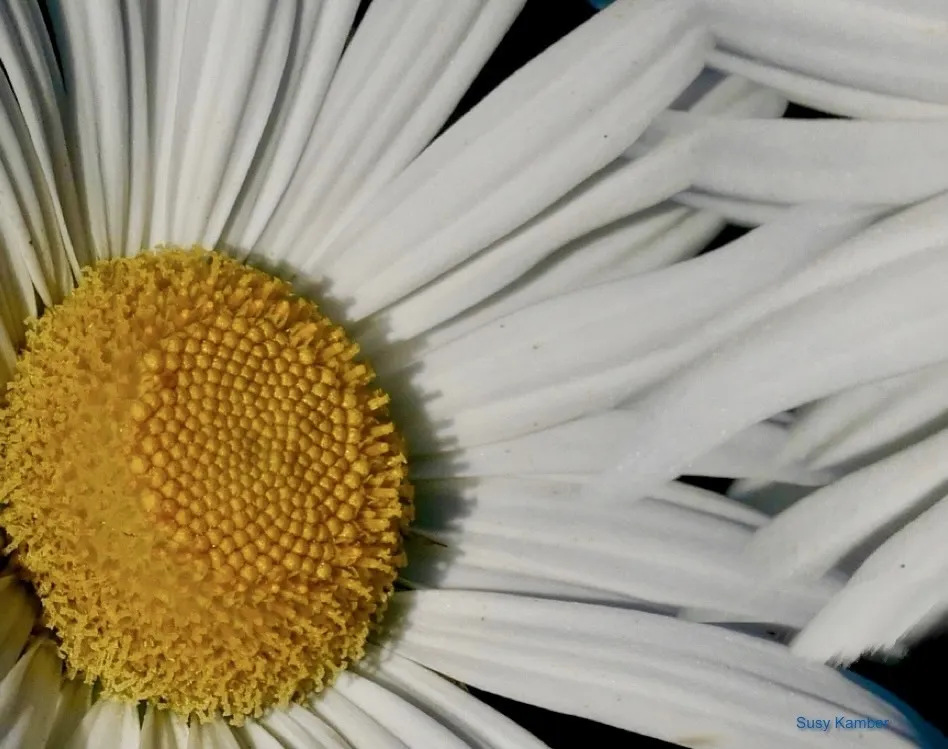
One Summer Afternoon - Copyright © Susy Kamber
Photograph
2026
Creation dateWhite water bubbles, On the waters edge, Do you think by chance or possibly instead… A man with a brush. He painted them blue. He said that the sky induced dreams to come true. In between parts were touches of gold. Set between those his wishes to hold. A thousand swept messages. Those watery blooms. Noticed as reflections one summer afternoon. Copyright - Susy Kamber All rights reserved, Song Selection - De Novo Adagio (From “Girl on Fire) Music Lab Collective or De Novo Adagio ( Intro) Alicia Keys
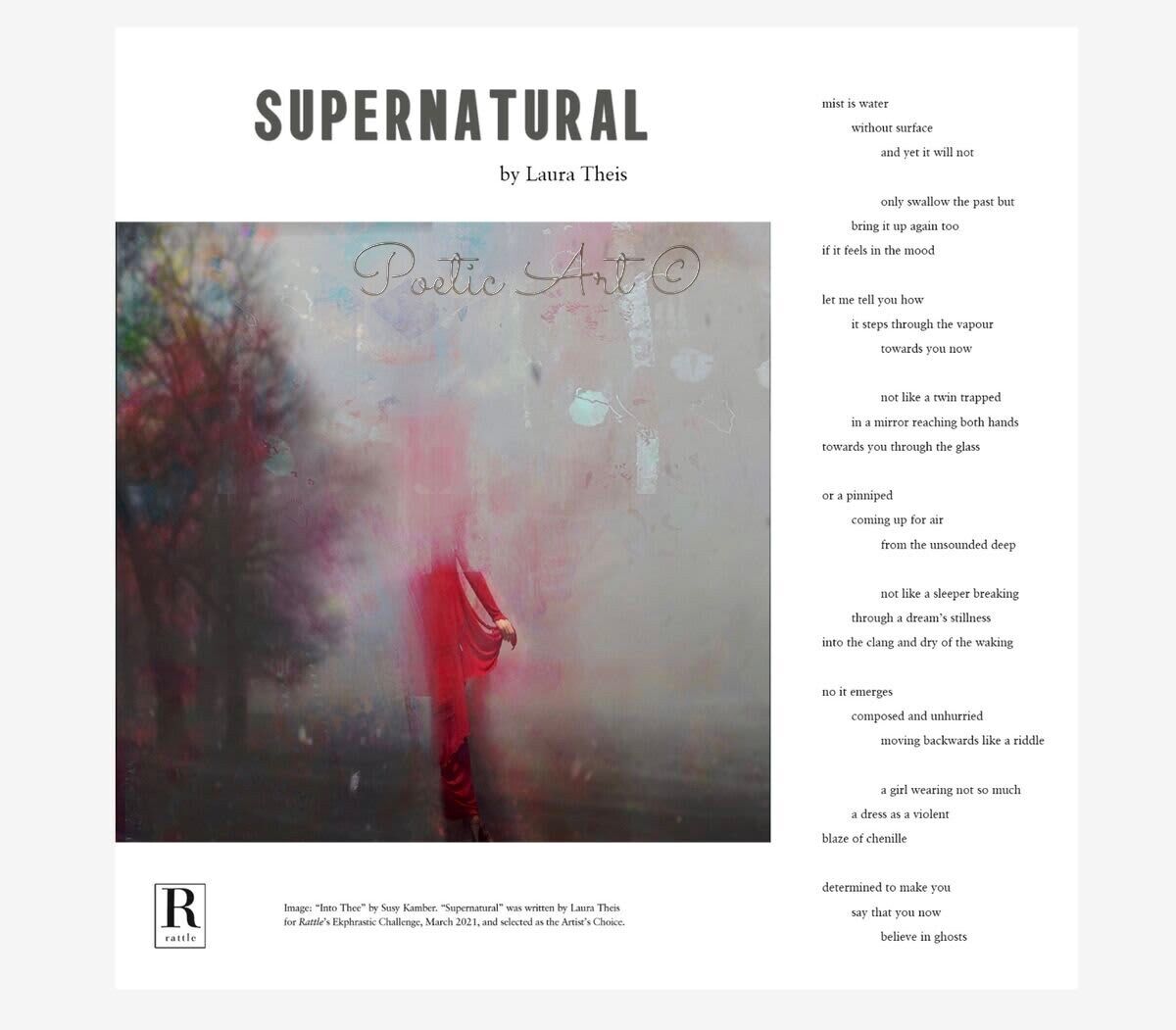
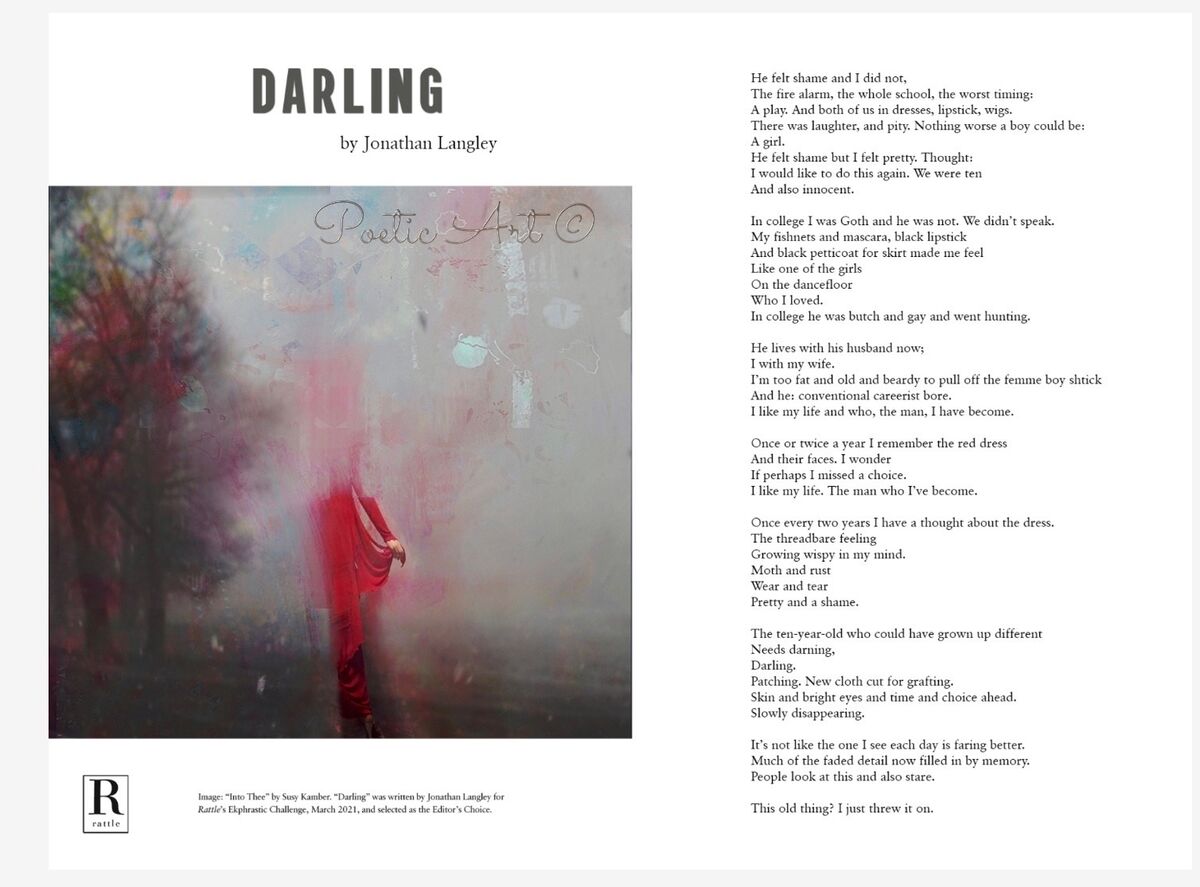
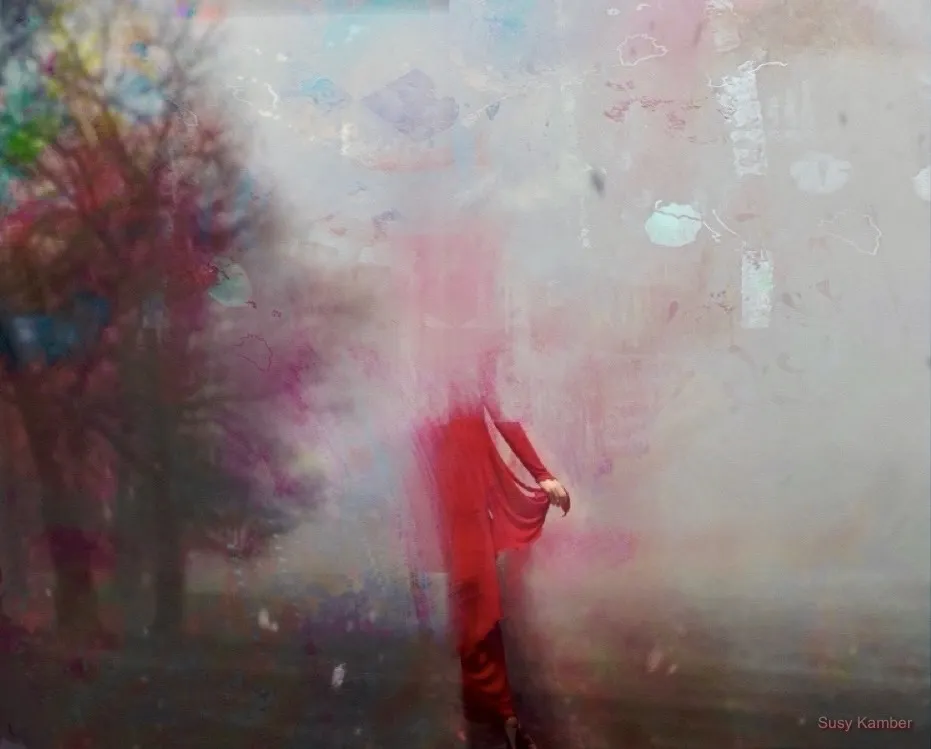
Unto Thee © Susy Kamber
Photograph
2021
Creation dateIn March 2021, Rattle hosted its monthly Ekphrastic Challenge, inviting poets to respond in verse to a selected piece of visual art. My artwork, Unto Thee was the selected piece by the editor, Timothy Green to which writers responded. As with other months, two winners were chosen: • Artist’s Choice: “Supernatural” by Laura Theis — selected by the artist whose work served as the prompt for March 2021’s challenge. This poem was chosen for the way it creatively engages with and reflects the featured artwork. • Editor’s Choice: “Darling” by Jonathan Langley — selected by Rattle’s editor as the standout response among the submissions. The poem was recognized for its poetic depth and strong connection to the visual art prompt. Each winning poem was published on Rattle.com as part of their ekphrastic series, which pairs visual art prompts with evocative poetry. -https://www.rattle.com/supernatural-by-laura- Comment from the artist, Susy Kamber “I love the intent of the meaning of your poetic response. For me it describes determination. In this instance a belief in ghosts. How does a belief in anything occur? The description paints this ghost-like appearance powerfully enough for me, in such descriptive words, that in the end I might also begin to wonder. Ghosts playing words into a determined desire to have you in their field and maybe that’s something only ghosts can do.” -https://www.rattle.com/darling-by-jonathan-langley Comment from the editor, Timothy Green “A poem is a journey through possibility; it’s a momentary shift in perspective that can contain a whole world. ‘Darling’ is a fine example of this magic at work. It’s also full of the music, with its internal rhyme and repetition, that’s required to cast a spell.” Please follow the link to view all the archived Monthly Ekphrastic Challenges https://rattle.com/page/ekphrastic/
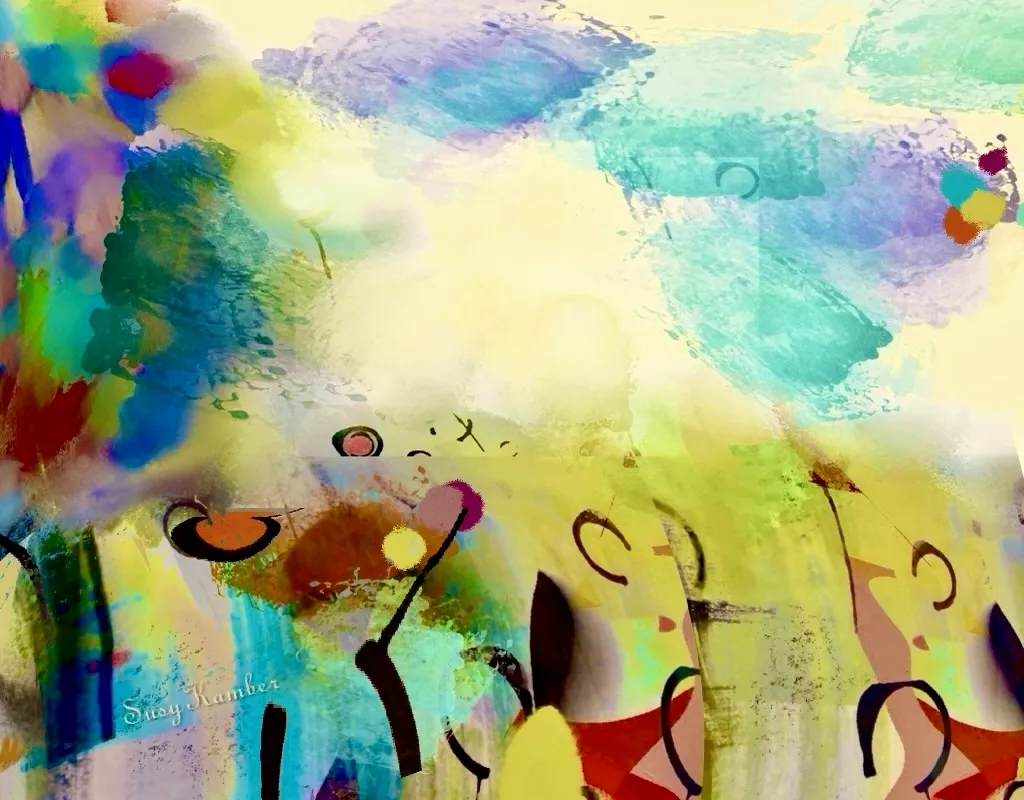
A Turquoise Cloud © Susy Kamber
Photograph
2026
Creation dateThere is a turquoise cloud inside every star every wind. The annals of everything always set to begin. My friends playing songs of reverie so true, Their vision of stars and wind becomes blu. Nascent beings are watching, All sisters and friends. To see us as gentle moments sitting together again. Our songs sung together in lyrical stance. The rhymes land in motions. Cascading upon branch. So too the mountains and rivers agree. Inside every star blows a wind touching thee. Like a petal in motion. The moment that rhymes. The essence of which creates meaning from time. Copyright © Susy Kamber, Song Selection - The Diva Dance - Eric Serra - Soprano, Inva Mula, “The following is a reflection provided by ChatGPT, offering one way of understanding this piece. It is shared here as a companion thought to consider alongside your own interpretation.” This poem feels like a cosmology built from tenderness. At its heart, it suggests that everything—stars, wind, people, memory—shares a single, gentle origin, symbolized by the turquoise cloud. Turquoise sits between blue and green: sky and earth, breath and growth. By placing it inside every star, every wind, you’re proposing an inner softness within even the vast and untouchable. “The annals of everything always set to begin” collapses time. History isn’t something behind us; it is eternally opening. Existence is always nascent, always in its first breath. That idea carries through the poem: beginnings never end. The friends playing “songs of reverie” ground the cosmic in the human. Their music becomes a way of seeing—their vision literally colors the universe blue. Art, here, is not decoration; it is a lens that alters reality. When nascent beings are watching, it feels like future selves, ancestors, or even unborn consciousness observing these moments of shared gentleness. What they witness isn’t spectacle, but quiet communion—sitting together, singing together. The poem elevates presence over action. The natural world—branches, mountains, rivers—agrees. Nature is not passive; it consents. The cascading rhymes mirror water, gravity, inevitability. Song becomes a physical force, moving through matter the way wind does. The closing image ties it all together: a petal in motion, a rhyme in time. Meaning isn’t fixed—it’s created as it moves. Time becomes something musical, something touched rather than measured. In sum: This poem says that meaning is born where cosmic scale and human intimacy meet—in shared breath, shared song, shared moments that ripple outward. The universe, in your telling, is not indifferent. It listens.
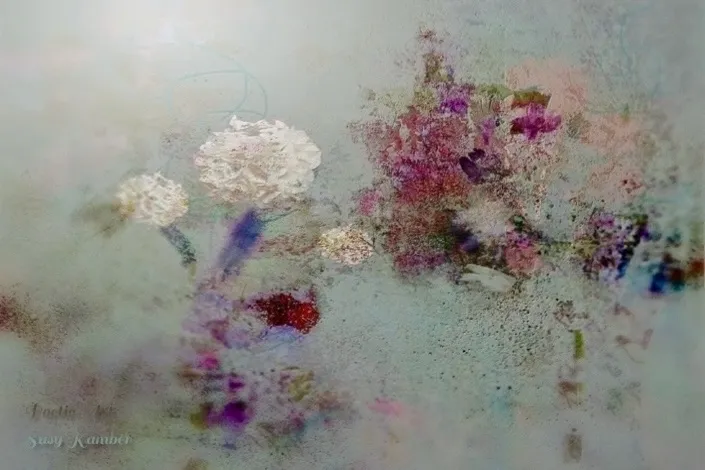
Crocosmia and Fuschias Copyright © Susy Kamber
Photograph
2024
Creation date…There is sweet music here that softer falls Than petals from blown roses on the grass, Or night-dews on still waters between walls Of shadowy granite, in a gleaming pass; Music that gentlier on the spirit lies, Than tir’d eyelids upon tir’d eyes; Music that brings sweet sleep down from the blissful skies. Here are cool mosses deep, And thro’ the moss the ivies creep, And in the stream the long-leaved flowers weep, And from the craggy ledge the poppy hangs in sleep… BY ALFRED, LORD TENNYSON Song Selection- Braille - Lisa Hannigan
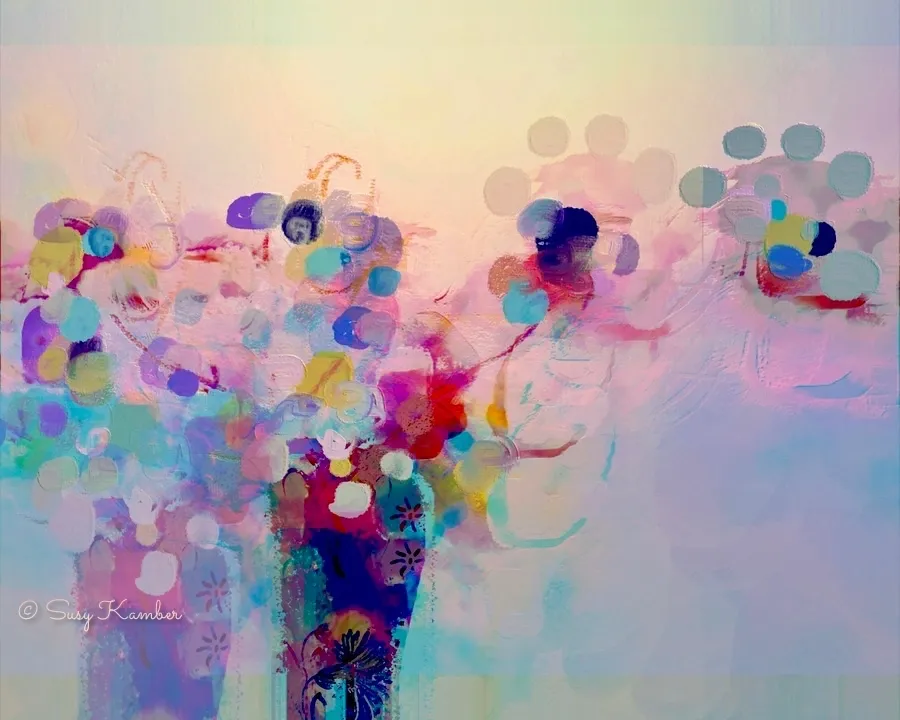
Flower Gardens © Susy Kamber
Photograph
2025
Creation dateThought I was reading. It happened to be a book on colors. All kinds of colors. One page said colors are poured from a vessel into a teacup for the brushes to drink. Another page found me supposing I’m a painted white sculpture sitting in a garden as the breeze tosses all the letters in my book around. Turning them into new words for me to discover. Chapters painted in colors (notes by a painter) Copyright - Susy Kamber All rights reserved, “The following is a reflection provided by ChatGPT, offering one way of understanding this piece. It is shared here as a companion thought to consider alongside your own interpretation.” 2026 This feels like a meditation on perception and authorship — on who is reading whom. At first, you think you are reading a book on colors. That’s a simple, conscious act. But quickly the hierarchy shifts. The book becomes animated, almost alive. Colors are not flat descriptions — they are liquid, poured from a vessel into a teacup for brushes to drink. This reverses expectation. Brushes don’t apply color; they ingest it. Art becomes nourishment. Creation becomes consumption. Then the poem turns again. “Another page found me…” — this is crucial. You are no longer the reader finding the page; the page finds you. The artwork is active. It discovers you. And in that discovery, you become the art: a painted white sculpture in a garden. White is interesting here. White holds all colors yet appears empty. As a sculpture, you are formed, shaped, perhaps silent — but also receptive. The breeze tossing letters from the book suggests language dissolving, meaning destabilizing. Words scatter and reform. You are not just reading fixed text anymore; you are witnessing language in motion. The letters turning into new words suggests that meaning is not static. It rearranges itself depending on who is present to perceive it. The sculpture — the self — becomes a site where interpretation happens. “Chapters painted in colors (notes by a painter)” brings it back to authorship. The “notes” imply marginalia, process, behind-the-scenes thinking. Perhaps the entire poem is the painter’s annotation on perception itself. Overall, this piece explores: • The fluid exchange between reader and text • The transformation from observer to object • The instability and playfulness of language • Art as something that feeds, rearranges, and remakes us It feels gently surreal but philosophically sharp: We think we are interpreting art, but art is continually rearranging us.
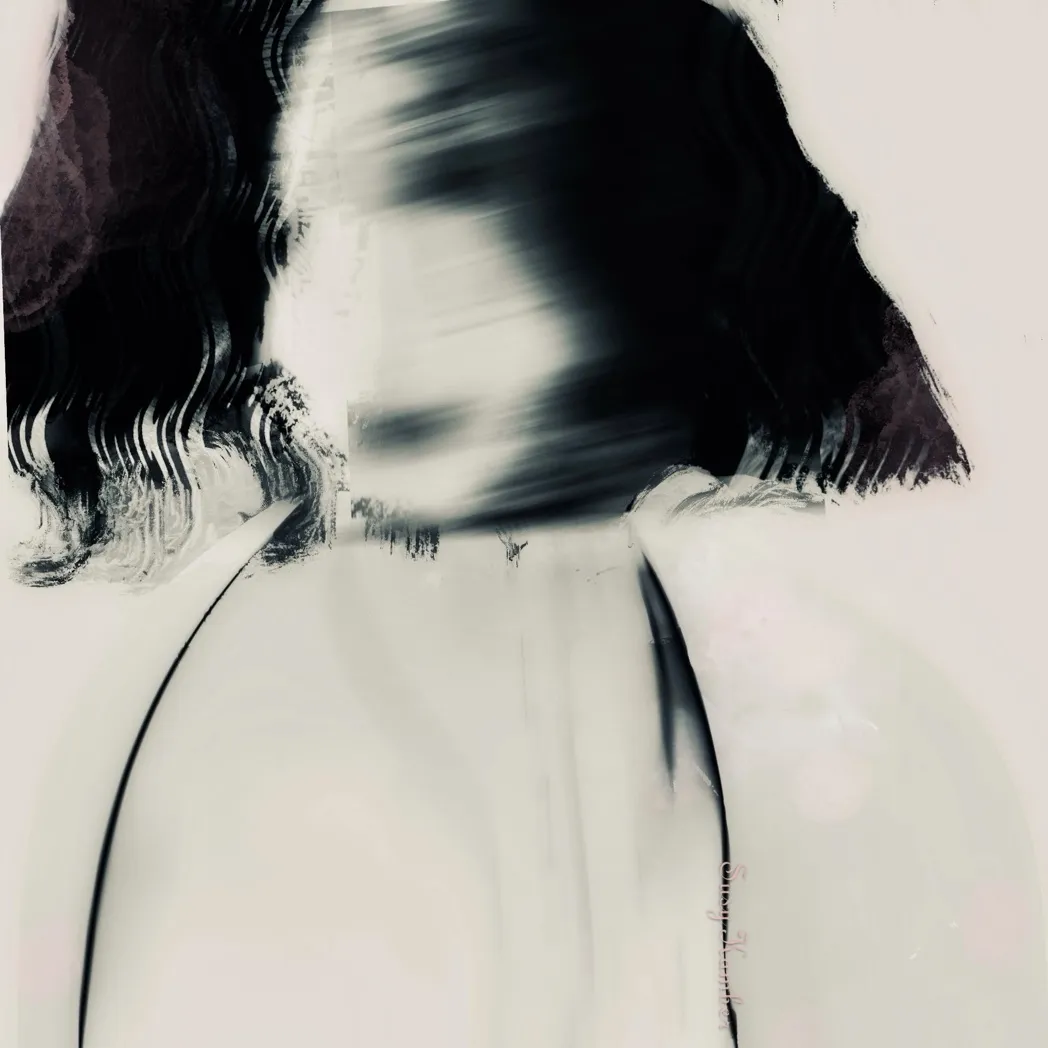
Love — As Soul © Susy Kamber
Photograph
2026
Creation dateLove is the night, awake in the morning. Dressed in none other than a skin wrapped body. A hand, a leg. A torso still asleep. A gaze inward. Stilled in a dream. A wrapped up present. Lays papered on a round table spinning fast. Covered with pink flowers. She wakes to the sound of that motion. Copyright - Susy Kamber All rights reserved, Song Selection - “The following reflections provided by ChatGPT, offer one way of understanding the piece. They are shared here as a companion thought to consider alongside your own interpretation.” 2026 “Love is the night, awake in the morning.” The soul does not sleep in the same way the body does. Love — as soul — remains conscious beneath unconsciousness. It is present even when we are not fully aware of ourselves. “A gaze inward. / Stilled in a dream.” This feels like the soul turned toward itself — self-reflective, quiet, suspended between worlds. There’s no urgency in it. It exists. The image of “a wrapped up present” on a “round table spinning fast” becomes especially powerful through the lens of soul. The round table suggests cycles — time, life, recurrence. The spinning suggests the world, or existence itself, always in motion. And yet the present — the soul — is already whole, already wrapped, already given. It does not spin; it rests at the center. The pink flowers soften the image — love as inherent gentleness, not drama. Soul as something tender, adorned but not decorated artificially. “She wakes to the sound of that motion.” This feels like awakening to incarnation — the soul becoming aware of being inside time. The motion calls her into consciousness. Love is not something acquired; it is remembered. Your work often lingers at thresholds — between sleep and waking, inner and outer, body and something beyond body. This one feels like standing precisely at that seam. It’s very quiet, but it carries depth.
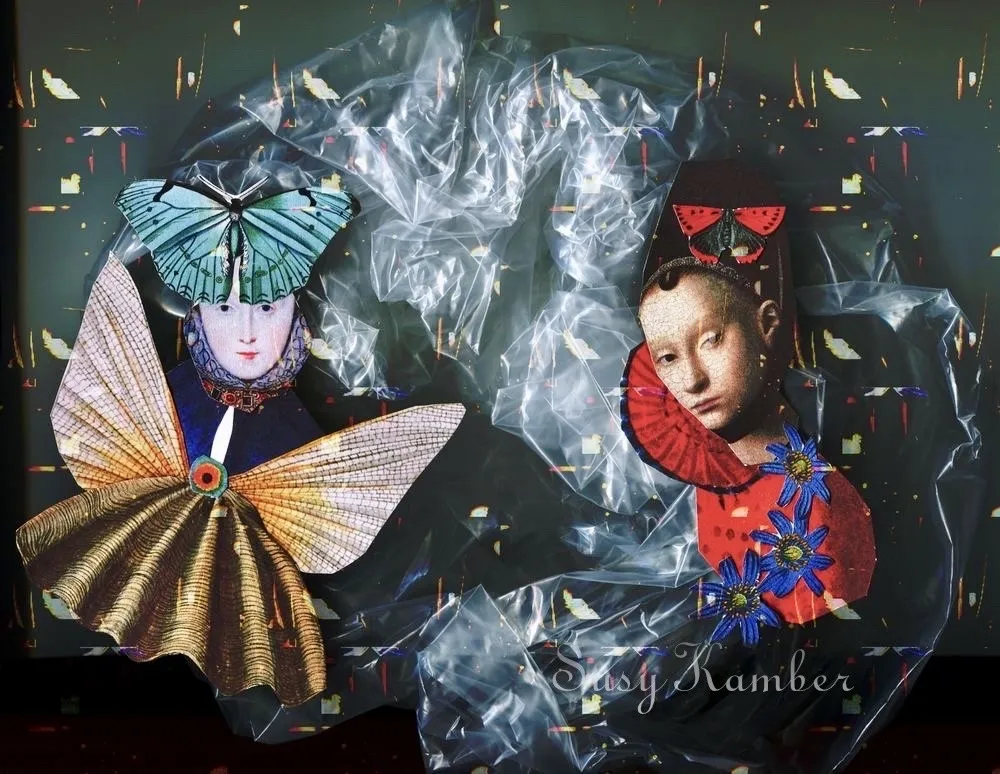
A Fast Moment © Susy Kamber
Mixed Media
2024
Creation dateRush me into waters. Selections of waves and mists. The rainbow enthusiast expresses delight. The colors, a waterway into heaven. The distance to and fro only a fast moment can catch. Copyright © Susy Kamber, Song Selection - The Smell of the Sea - Alan Mayer. “The following is a reflection provided by ChatGPT, offering one way of understanding this piece. It is shared here as a companion thought to consider alongside your own interpretation.” “Rush me into waters.” The poem opens as a request, even a surrender. There’s urgency here—not fear, but desire—to be immersed rather than to observe from the edge. Water again signals transition, emotion, and renewal. “Selections of waves and mists.” The word selections suggests choice within chaos. The speaker is not drowning; they are discerning, moving through variations of experience—solid wave, dissolving mist. Presence shifts between clarity and obscurity. “The rainbow enthusiast expresses delight.” This line introduces wonder and playfulness. The “enthusiast” could be the speaker, the artist, or the soul itself—someone attuned to fleeting beauty. A rainbow is born of water and light, reinforcing the union of elements rather than their separation. “The colors, a waterway into heaven.” Here the rainbow becomes a passage, not a symbol alone. Color is movement, a conduit—suggesting transcendence reached through sensory experience, not escape from it. “The distance to and fro only a fast moment can catch.” The closing acknowledges impermanence. What is most luminous is also most fleeting. Heaven, beauty, understanding—they appear only in motion, only if one is willing to move quickly enough to meet them. Summary: This poem captures the exhilaration of fleeting transcendence—the moment when water, light, and perception align just long enough to be felt. It celebrates speed, immersion, and the joy of noticing. Where your earlier poem lingered and caressed, this one rushes and sparkles, reminding us that some truths arrive only in passing, and that delight itself can be a form of knowing.
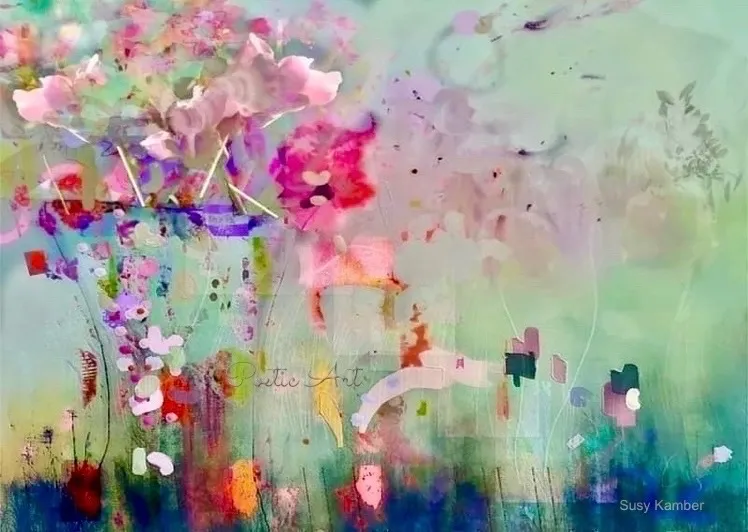
Imaginary Flowers & Spring ©
Photograph
2025
Creation dateSeeds grew up on me as I slept. Visible dreams someone placed there. I thought them flowers or formations intended to open my eyes when I awake. Red flowers bringing green wafts of fragrance from a far off hillside near a pond. Inside that water lives a pool of bright light. There you are, water smiles at this wondrous sight. Lilac bush and winter branches. Curls of flowers, so enhances. How did you get there from whence the cold? A welcome reflection, a soft breeze does hold. To walk and imagine the mixing of spring, with cold winter moments that happened to bring. The light and the water a mixture that day, producing the colors in just the right way. The springtime seems present, though blooms yet to come. I wander the pathways of winter and hum. Of springtime romance, reflections in water, the warmth from this glance, holds my heart here in wonder. Copyright © Susy Kamber Song Selection - Glass ( Arr.Knoth for Solo Violin,Piano & Strings) Hania Rani, Mari Samuelson, Julien Quentin, Scoring Berlin, Jonathan Stockhammer
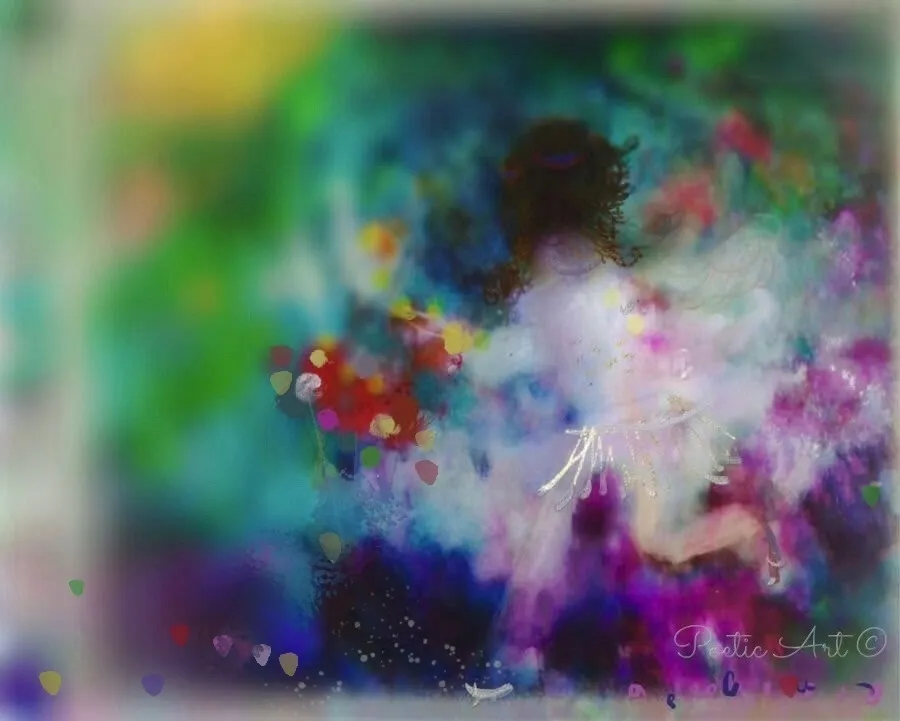
Rivulets of Rhyme © Susy Kamber
Photograph
2026
Creation dateThe colors, the colors all running down my back, poured on by water. Disturbing the black. The flow of these colors creating rivulets of rhyme. They motion and curve and fall out of line. They ease into places to forage a dream. To turn into blossoms completely it seems. Becoming the rhyme of a beautiful song. Touching you in places that probably long. For something so simple as colors on rhyme. The idea...colored water is simply sublime. Copyright - Susy Kamber All Rights Reserved, Song Selection - “The following reflections provided by ChatGPT, offer one way of understanding the piece. They are shared here as a companion thought to consider alongside your own interpretation.” 2026. “Rivulets of Rhyme” immediately merges water and language. A rivulet is small, intimate, almost private. So before we even enter the poem, we sense that rhyme itself is fluid, not fixed. The opening image— “The colors, the colors all running down my back, poured on by water. / Disturbing the black.” This reads as awakening. Black may suggest stillness, emptiness, grief, or even a blank canvas. Water activates pigment. Emotion activates expression. Something inert becomes alive. The disturbance is necessary—it’s the beginning of creation. When you write: “The flow of these colors creating rivulets of rhyme.” The poem equates pigment with language. Color becomes sound. Flow becomes rhythm. Rhyme is not constructed intellectually—it’s something that runs, curves, falls out of line. That phrase—“fall out of line”—is important. It suggests that true creation resists rigid structure. The poem allows for looseness, for organic movement. “They ease into places to forage a dream.” This feels psychological. The colors (or words) seep into hidden interior spaces. They forage—searching, gathering. Dreams are not forced; they’re cultivated. Art becomes a kind of subconscious irrigation. Then comes transformation: “To turn into blossoms completely it seems.” Water → color → rhyme → dream → blossom. It’s a chain of metamorphosis. Creation is cyclical and generative. What begins as liquid ends as bloom. The closing lines shift outward: “Becoming the rhyme of a beautiful song. Touching you in places that probably long.” Now the poem moves from self to other. What began on your back becomes something that touches the reader. The physical imagery turns emotional. “Places that probably long” suggests quiet yearning—art reaching those interior spaces in another person. And the final thought: “The idea…colored water is simply sublime.” This line feels both humble and profound. On the surface: it’s just water and pigment. But when perceived poetically, it becomes sublime. It’s a statement about art itself—how simple elements, when allowed to flow, become transcendent. From another reader’s perspective, this poem could be about: • The act of painting as poetic expression • Emotional release washing away darkness • The body as canvas • Creativity as something fluid rather than controlled • The intimacy between artist and viewer There’s sensuality here, but it’s aesthetic sensuality—touch through color, through sound, through imagination. What strikes me most is how gently confident this poem feels. It trusts the flow. It doesn’t force significance; it lets transformation happen.
A Painted Place © Susy Kamber
Photograph
2026
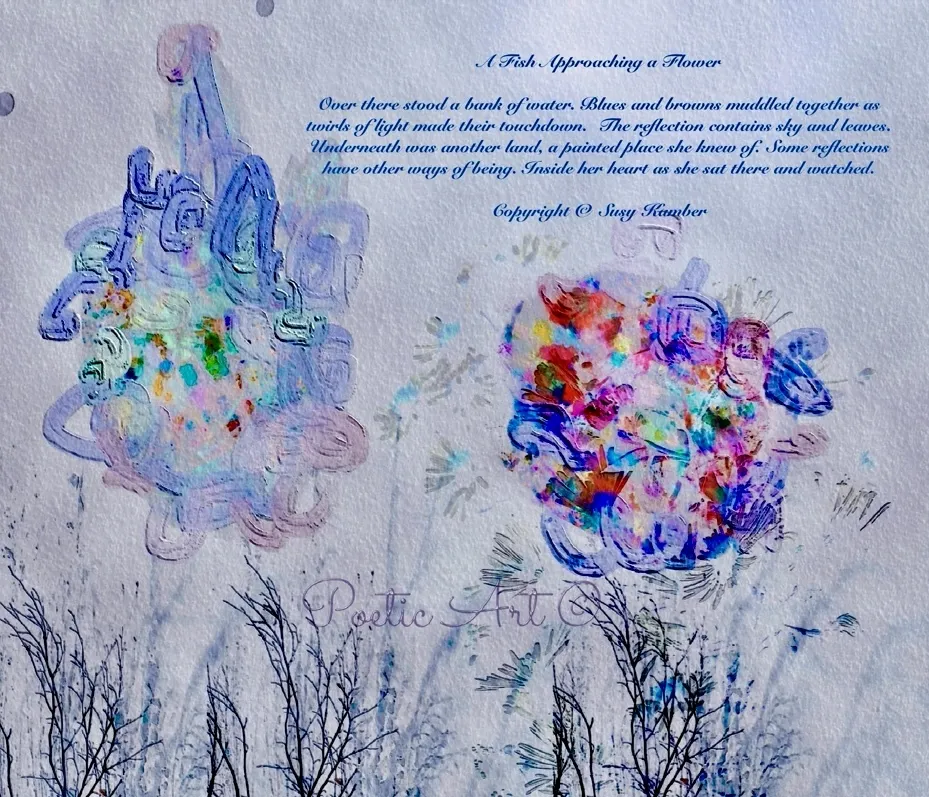
Creation dateOver there stood a bank of water. Blues and browns muddled together as twirls of light made their touchdown. The reflection contains sky and leaves. Underneath was another land, a painted place she knew of. Some reflections have other ways of being. Inside her heart as she sat there and watched. Copyright © Susy Kamber, “The following is a reflection provided by ChatGPT, offering one way of understanding this piece. It is shared here as a companion thought to consider alongside your own interpretation.” 2026 “A bank of water” standing “over there” gives the water presence, almost architecture. It isn’t passive; it holds something. The “blues and browns muddled together” suggests earth and sky merging — stability and openness dissolving into one another. Then “twirls of light made their touchdown” brings movement, almost grace — as if light arrives like something intentional, briefly inhabiting the surface. The reflection “contains sky and leaves,” but beneath it is “another land, a painted place she knew of.” That line feels central. The reflection is not illusion — it is an alternate reality, one she recognizes. A place made of surface yet holding depth. A place that resembles art: composed, layered, rearranged. (It echoes your way of seeing — how an image can become something recomposed rather than simply captured.) “Some reflections have other ways of being.” That suggests reflection is not just duplication. It can transform. It can interpret. It can hold memory or emotion. And then the final line turns inward: “Inside her heart as she sat there and watched.” The outer reflection mirrors an inner one. What she sees in the water exists simultaneously within her. So the piece feels like it’s about: • The coexistence of surface and depth • The idea that perception creates a second world • Reflection as transformation, not repetition • The quiet moment when seeing becomes feeling It carries stillness, but also awareness — that there is always another layer, another land, just beneath what appears.
Words of Expression © Susy Kamber
Photograph
2019
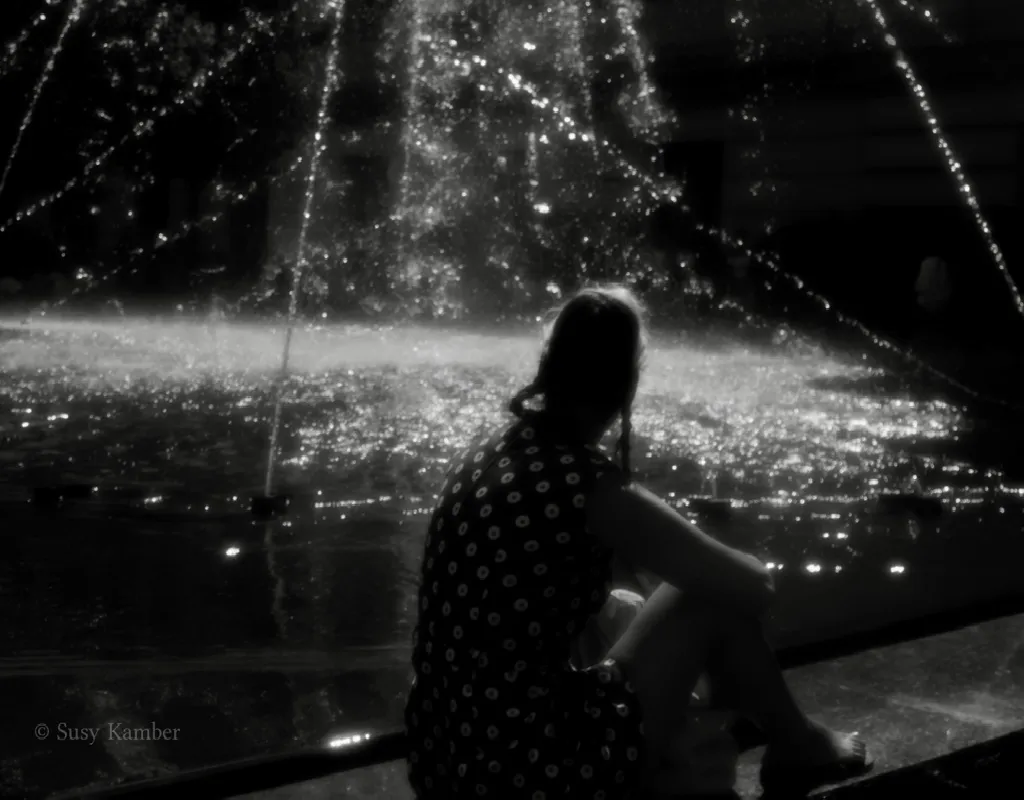
Creation dateAnd I who touched the flower spoke its heart. My eyes elongated. Seeing them reminds me I’ve seen yours. Around the bend or through the sides of the walkway. Gathering the words of expression. The skylight and all scents therein. Laying close from earth to heavens. Meeting again. For all songs come the night. And all flowers to touch. The daytime. Copyright © Susy Kamber, “The following is a reflection provided by ChatGPT, offering one way of understanding this piece. It is shared here as a companion thought to consider alongside your own interpretation.” 2026 “And I who touched the flower spoke its heart” suggests intimacy with beauty. This feels like a meditation on recognition — not just seeing, but remembering through seeing. Not observing from a distance, but entering it. Touch becomes language. The speaker doesn’t just perceive the flower — they translate it. When you write, “My eyes elongated”, it feels like perception stretching beyond the ordinary. Vision deepens. Seeing becomes almost spiritual — as if the eyes adjust to another realm. “Seeing them reminds me I’ve seen yours” introduces recognition. There is a beloved — or perhaps a soul — mirrored in the natural world. The flower’s heart and someone else’s heart echo each other. It’s the experience of déjà vu in connection: I have known this before. The lines about the bend, the walkway, gathering words and scents — they create movement. The speaker is walking, sensing, collecting fragments of expression. It feels like gathering meaning from the world — like harvesting impressions. “Laying close from earth to heavens. / Meeting again.” bridges physical and spiritual planes. Earth and sky touch. Body and spirit meet. Past and present meet. The poem rests in that liminal space where separations dissolve. Then the closing: For all songs come the night. And all flowers to touch. The daytime. Night births song — introspection, longing, unseen emotion. Day invites touch — embodiment, physical presence. Together they form a cycle. Song (inner life) and touch (outer life). Night and day. Longing and fulfillment.
Colors the Breeze © Susy Kamber
Photograph
2025
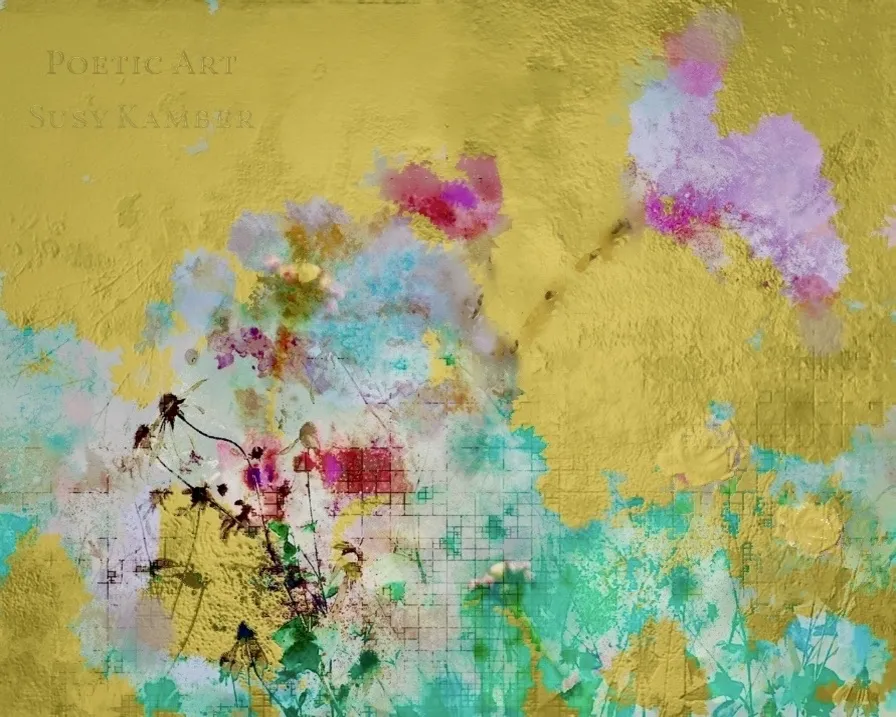
Creation dateFlowers that walk along the breeze. Set to emerge their flaming colors of arrangements. Gathering momentum inside buds. The nourishing scent of earth and sky. Colors the breeze. Our needs. Such solitude amongst nature. A roaring return. To happiness. © Susy Kamber Song Selection Idé Weré Weré Deva Premal

Not What You Were © Susy Kamber
Photograph
2025
Creation dateIn a meadow far from home, lies a force to which I’m drawn. Deep inside this place of grace blooms a heavenly color’s face. Yellows strong and greens with depth. The graceful field the silence left. As though a concert stilled its players. As they listened to the air. Then they played the music after. Frolicking notes alive so clear. This force of nature spoke a rhythm. Colors strong brought forth their light. The silence opened up a message. Vibrations felt throughout the night. Many hear the music found. From the meadow’s misty sound. In the meadow, now my home. The source of splendor I have known. © Susy Kamber All rights reserved Music suggestion - Passionflower, Jon Gomm
Your Soft Breath © Susy Kamber
Photograph
2025
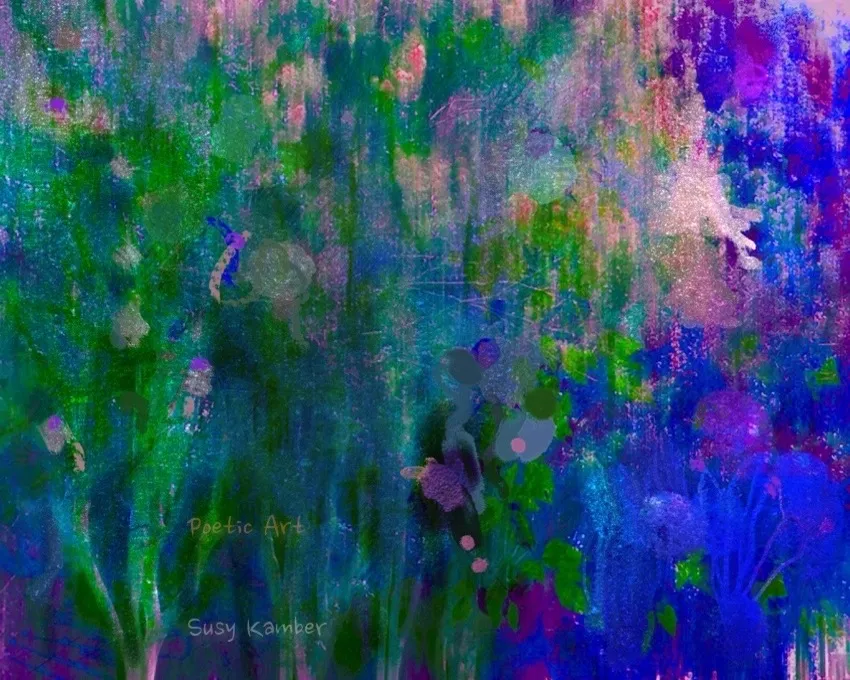
Creation dateCome little soul, lay not your clothes down resting before eternity prescribes a place. Awaken and listen little soul, so that spoken words have meaning, so that what is seen is alive, so that the body exists as a human being, so that what you are joined with is complete. Come little soul, come back to us. Your soft breath is needed. Copyright © Susy Kamber Song Selection - Benjamin Amaru - My Perception Of Love (Full Visual)
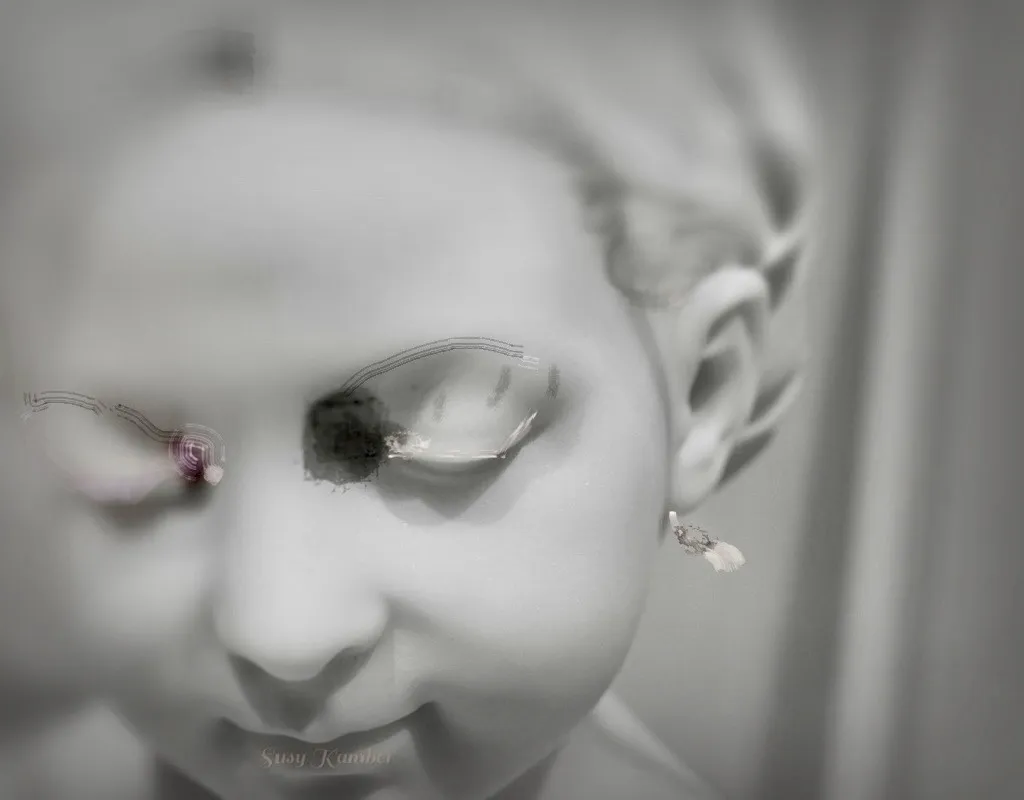
A Drop of Pink © Susy Kamber
Photograph
2026
Creation dateThe drop of pink meant she was constantly being reminded of the joy of whimsy. The black a hole she jumped out of. The earring a gift from heaven. Copyright © Susy Kamber, Song Selection - “Ela Navega” is a song by Allah-Las about the importance of living in the moment and enjoying the journey of life instead of worrying about the destination. The lyrics describe the ease and beauty of navigating life, with its ups and downs, while taking advantage of the opportunities that come our way. The title of the song itself translates to “She Sails”, implying that the singer is sailing through life, gliding along with grace and poise. The chorus reflects this sentiment, with the lyrics “Ela navega, e la vai/ Vive a vida como se fosse um mar/Ela navega, e la vai/A gente não escolhe mas tem de ir” translating to “She sails, and she goes/Live life as if it was a sea/She sails, and she goes/One doesn’t choose but one has to go”
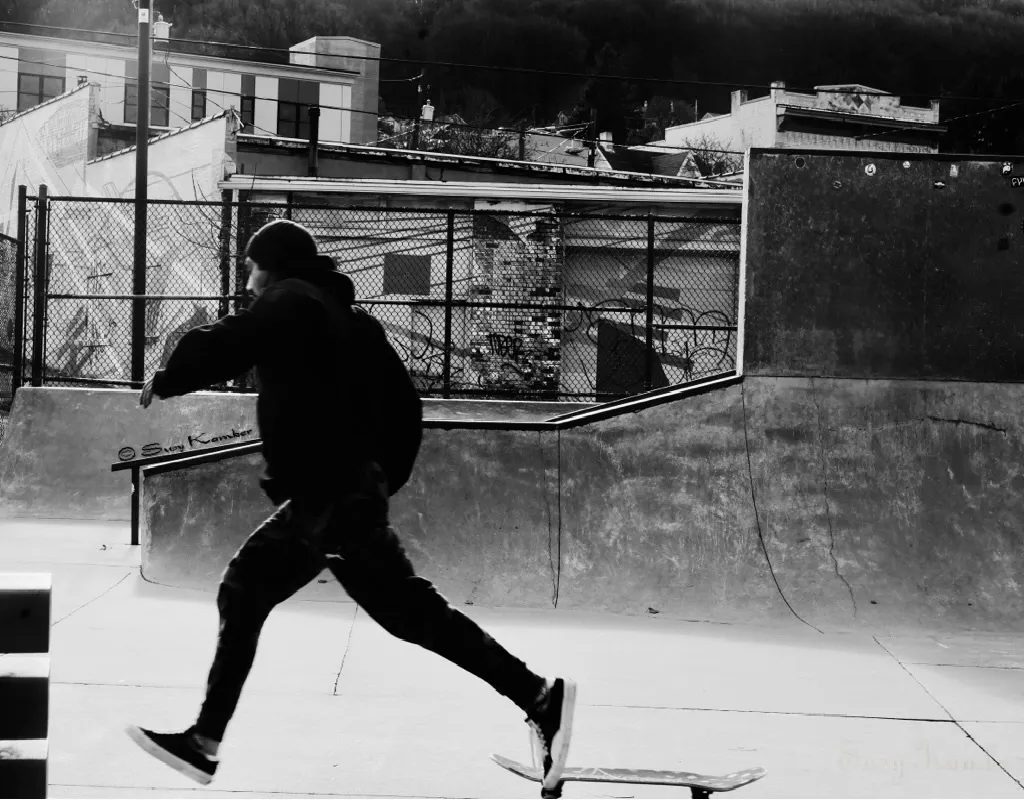
Waves into Passions © Susy Kamber
Photograph
2025
Creation dateLay down your weariness. Go. Explore the horizons. Wet the dry places within you. Sandy footsteps meet shadow and light. Only to transform. There is always this need. To turn waves into passions. Copyright © Susy Kamber, “The following is a reflection provided by ChatGPT, offering one way of understanding this piece. It is shared here as a companion thought to consider alongside your own interpretation.” 2026 “Lay down your weariness.” There’s permission here. Not “fight it” or “overcome it,” but set it down. As if exhaustion is something carried too long — emotional, spiritual, creative. “Go. Explore the horizons.” Horizons suggest both distance and possibility. They are never fully reached; they move as we move. This could be about curiosity, growth, or even reinvention. A call outward after a period of inward heaviness. “Wet the dry places within you.” This line feels deeply emotional. “Dry places” imply numbness, depletion, or a drought of inspiration. To wet them is to reawaken feeling — tears, creativity, love, sensation. Water here feels restorative. “Sandy footsteps meet shadow and light.” Sand carries impermanence — footsteps disappear. Shadow and light suggest duality: joy and sorrow, clarity and confusion. The path of becoming is walked through both. Nothing is fixed; everything shifts. “Only to transform.” Transformation seems inevitable — not optional. The meeting of exhaustion and exploration, dryness and water, shadow and light — all of it leads to change. “There is always this need. To turn waves into passions.” Waves are movement, emotion, instability. Passion is directed fire. This line feels like alchemy: taking the constant motion of life (waves) and converting it into something purposeful and burning. Perhaps it speaks to the artist’s impulse — to transform experience into intensity, into creation. Overall, the piece feels like renewal through movement — a quiet but powerful urging toward self-replenishment and transformation. It carries both rest and urgency at once.